
What to Look for When Buying a Ranchette or Acreage in De Kalb, TX
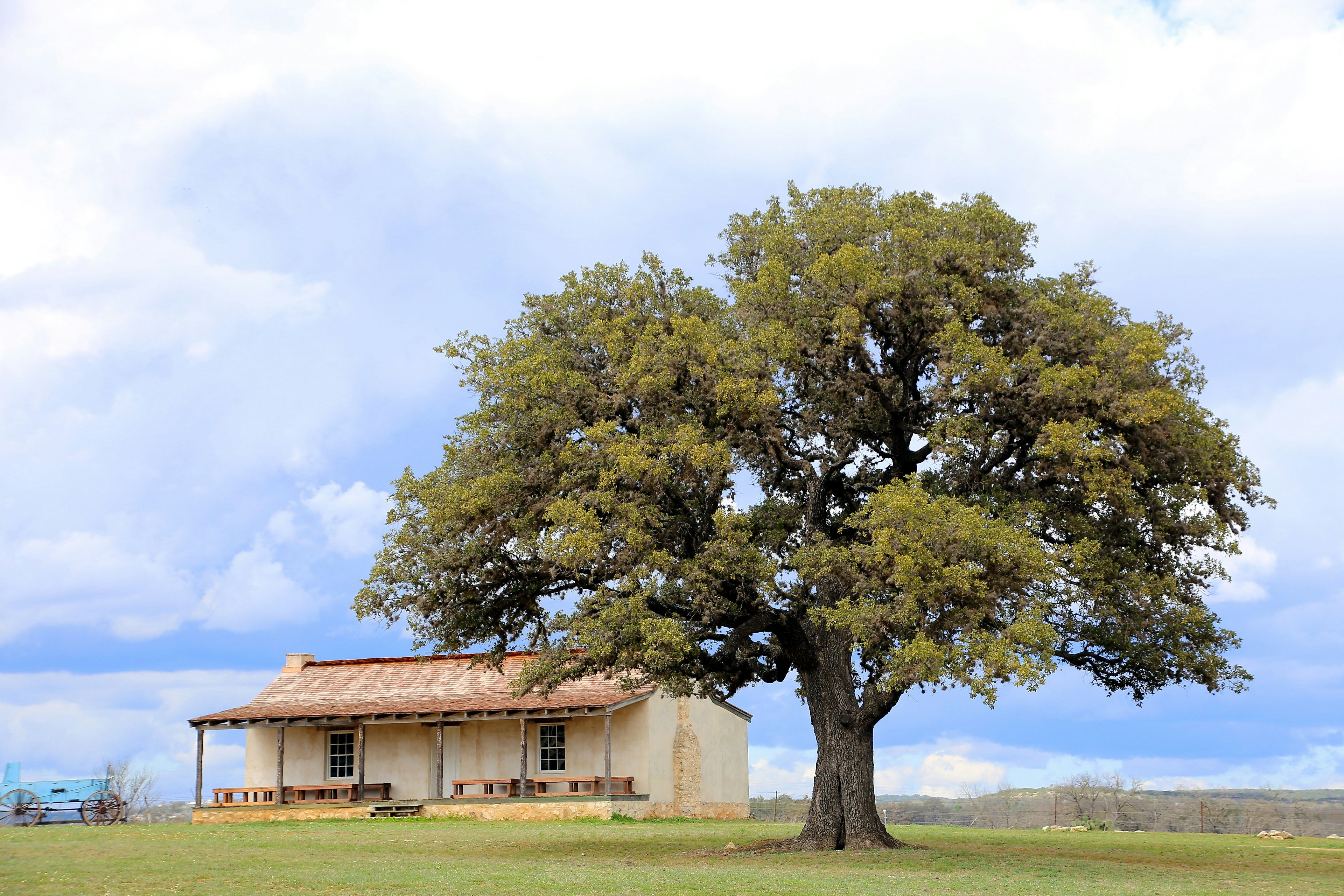
There is something undeniably special about the rolling countryside of De Kalb, Texas. Located in northwest Bowie County, this slice of East Texas is prime real estate for anyone dreaming of a "ranchette"—a smaller, manageable homestead usually between 5 to 40 acres—or a sweeping tract of raw land.
However, buying rural acreage is entirely different from purchasing a standard suburban lot. When you cross into the world of country property, the dirt beneath your feet, the lines on your survey, and the infrastructure hidden underground suddenly dictate the long-term cost and viability of your investment.
If you are scouting properties along the Highway 82 corridor or the surrounding country roads, here are the critical local details you need to evaluate before signing on the dotted line.
1. The Dirt Matters: Clay vs. Sandy Loam
In East Texas, your land's soil profile determines what you can actually do with it. De Kalb soils generally fall into two categories: sandy loam and heavy clay.
Sandy Loam: This is the gold standard if you plan to build a horse property, establish pastures, or start a hobby farm. It drains beautifully and is highly forgiving on livestock hooves.
Heavy Clay: Common in lower-lying areas, clay retains moisture aggressively. While great for holding water in a livestock pond, clay requires careful management for foundations (due to its high shrink-swell capacity) and can turn pastures into thick mud pits during wet Texas winters.
Pro Tip: Before buying, plug the property's coordinates into the USDA Web Soil Survey. It will give you a precise breakdown of the soil types on that specific tract so you know exactly what you are working with.
2. Water Infrastructure: Well Water vs. Co-op Hookups
Never assume a rural property has easy access to water. In the De Kalb area, you will either be tapping into a regional supply or drilling into the earth.
Co-op Water: If the property sits along a county road, a local water supply corporation (like De Kalb Water Supply or Oak Grove Water) may have a main line running nearby. However, you must verify with the co-op if a water meter is available for that specific tract and find out what the connection fees look like.
Water Wells: If the land is isolated, you will need to drill a private well. In Bowie County, well depths can vary significantly. Ask neighboring landowners how deep their wells are and check the quality—some areas require advanced filtration systems to manage high iron or sulfur content.
3. Perimeter Security: Assessing the Fencing Setups
Fencing is notoriously expensive to install. If you plan to keep cattle, horses, or goats, the condition of the existing fencing can save—or cost—you thousands of dollars.
| Fence Type | Best For | What to Look For in De Kalb |
| 5-Barb Wire | Cattle & boundary lines | Check the condition of the corner braces (H-braces). If the corners are sagging, the whole line will lose tension. |
| Net Wire / Woven Wire | Sheep, goats, & dogs | Ensure the bottom of the net is securely pinned to the ground to prevent predators from digging under. |
| Pipe or High-Tensile | Horses & homestead entries | Look for rust or structural weld failures, especially around heavy gates. |
If a property description reads "Fencing: None," price out local clearing and fencing contractors before making an offer. Clearing a dense tree line just to put up a boundary fence adds significant upfront overhead.
4. The Tax Game-Changer: Ag and Timber Valuations
Property taxes in Texas can be steep, but rural landowners have access to a massive cost-saving tool: special open-space productivity valuations, commonly known as the "Ag Exemption".
It is a common misconception that this is a true tax exemption. Instead, the Bowie County Appraisal District (CAD) taxes your land based on its agricultural productivity value rather than its open-market value, often slashing your land property tax bill by 50% to 90%.
To protect yourself when buying, keep these three 2026 rules in mind:
The 5-of-7 Rule: The land must have a documented history of active agricultural use (grazing, hay production, timber, or beekeeping) for five out of the last seven years.
It Doesn't Transfer Automatically: The Ag status stays with the land, but the qualification does not automatically pass to you.
As the new owner, you must formally reapply with the Bowie County CAD before April 30 of your first purchase year and prove you are maintaining the required "degree of intensity". Beware the Rollback Tax: If you buy land under an Ag valuation and immediately develop it into a subdivision or stop all agricultural use, you will trigger a rollback tax.
This forces you to pay the difference between market-value taxes and Ag taxes for the previous three years, plus 5% interest.
Small-Acreage Alternative: If you are buying a smaller ranchette (between 5 to 20 acres) and don't want to run cattle, look into Beekeeping.
Texas allows landowners to maintain Ag status on small tracts by keeping a mandated number of active honeybee hives.
Final Thoughts
Buying land in De Kalb gives you a piece of true Texas freedom, but it pays to do your homework. Always insist on a recent professional survey, verify your access easements, and make your offer contingent on inspecting the water and soil capabilities.
With the right preparation, your East Texas ranchette will be the peaceful, productive haven you've always wanted.