
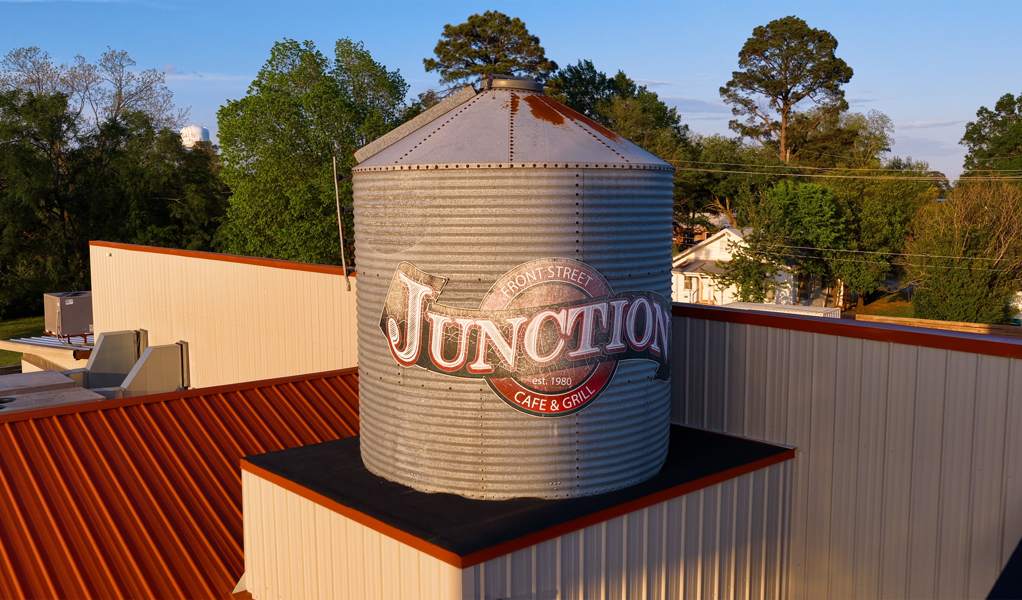
When looking at commercial real estate listings, it is incredibly easy to get swept up in the romantic charm of a "historic" building. We imagine the exposed brick, the decades of character, and the stories told within those walls.
But for a commercial real estate investor or an expansion-minded restaurateur, that vintage charm often hides a brutal financial reality: millions of dollars in deferred maintenance, outdated mechanical systems, and compliance nightmares.
When a property like this established 45-year landmark hits the market featuring a complete, top-tier rebuild completed in 2023, the investment math changes entirely. You aren't just buying a profitable business; you are bypassing the most expensive capital expenditure (CapEx) traps in the entire commercial food and beverage sector.
Here is the real value of acquiring modern restaurant infrastructure, and why a 2023 build is the ultimate hedge against hidden costs.
1. The Multi-Million Dollar Shield: Zero Deferred Maintenance
In a typical second-generation restaurant acquisition, a buyer expects to inherit a long list of immediate repairs. Roofing, foundation work, plumbing overhauls, and parking lot resurfacing can easily decimate an investment budget before opening day.
With a 2023 build, the clock has been completely reset. Every structural element—from the foundation to the framing and the roof—is virtually brand new. For an investor, this translates directly to predictable cash flow. Instead of funneling your first three to five years of profit into emergency structural repairs, that capital remains in your pocket or goes directly toward operational growth.
2. The Grease Trap & Plumbing Trapdoor
Ask any veteran operator about their biggest headache, and they will likely point to the floor. In older commercial properties, under-slab plumbing is a ticking time bomb. Decades of hot grease, chemical cleaners, and shifting ground take a massive toll.
Worse yet, municipal code enforcement has turned up the heat on environmental compliance. If you buy an older building and make significant changes, local code often mandates that you upgrade your grease trap to meet modern city standards. Digging up concrete to install a massive, code-compliant, multi-thousand-gallon exterior grease interceptor can easily cost $50,000 to $100,000+ in excavation, permits, and equipment.
A 2023 build means the entire drainage and grease mitigation system was engineered to modern environmental codes from day one. It’s fully compliant, highly efficient, and tucked safely out of mind.
3. HVAC & Make-Up Air Compliance
The kitchen hood and HVAC system are the lungs of a restaurant. They are also notoriously expensive to install and maintain.
Older buildings are frequently plagued by inefficient, end-of-life HVAC units that guzzle electricity and struggle to keep the dining room comfortable during peak summer heat. Furthermore, modern commercial codes require strict ratios of "make-up air"—meaning the air sucked out by massive kitchen hoods must be mechanically replaced to maintain proper building pressure.
Retrofitting an outdated building with modern, energy-efficient HVAC units and balanced make-up air systems can scale into the six figures instantly. In a 4,927 square foot facility built in 2023, you inherit a meticulously engineered climate control and ventilation system. It ensures maximum customer comfort, high-volume kitchen safety, and significantly lower monthly utility bills from day one.
4. Immediate Speed to Market
Perhaps the most overlooked asset of modern infrastructure is time.
If you buy an older space that requires a complete build-out or massive code updates, you are looking at months—if not a year—of architectural planning, zoning battles, contractor delays, and municipal inspections. During this time, you are paying carrying costs with zero revenue coming in.
A turn-key 2023 build allows for a seamless passing of the torch. Because the infrastructure already supports high-volume output, a double-lane drive-thru, and a full-service bar, the transition from the previous owner to you involves zero downtime. You close on the property, take the keys, and keep the registers ringing.
The Bottom Line: Vintage charm looks great on social media, but modern infrastructure looks brilliant on a balance sheet. Buying an established, 45-year legacy business housed inside a state-of-the-art 2023 facility gives you the absolute best of both worlds: a bulletproof local brand name with none of the ticking financial time bombs.