
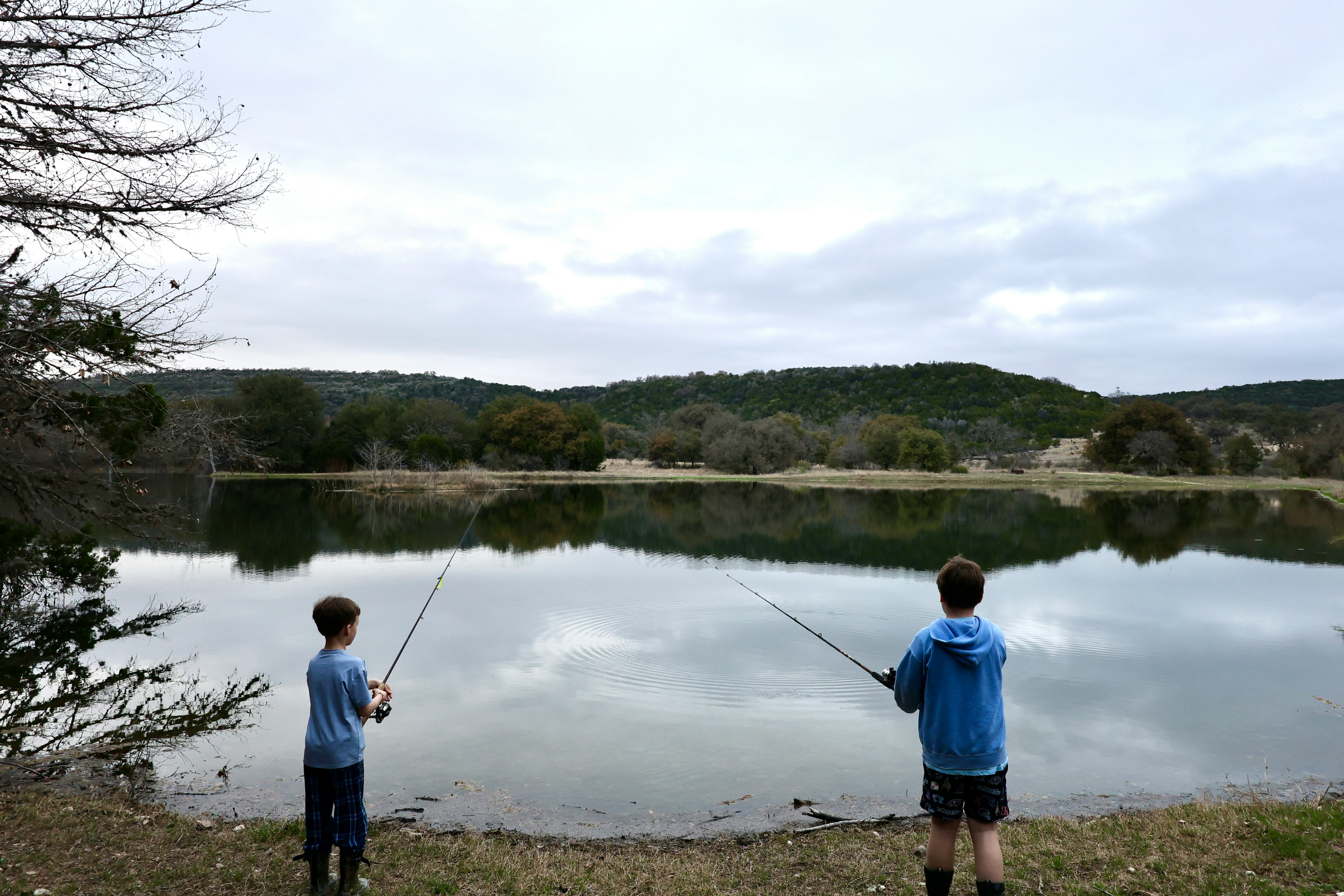
Whether you envision early-morning bass fishing off your private dock or relaxing on a back porch overlooking a quiet river bend, building a waterfront retreat in the Tri-State area (Northeast Texas, Southeast Oklahoma, and Southwest Arkansas) is a dream for many landowners.
Between major water bodies like Wright Patman Lake and the Sulphur River in Bowie County, Millwood Lake and the Little River in Miller County, and Broken Bow Lake or the Mountain Fork River in McCurtain County, our region offers some of the finest fishing and acreage in the Arklatex.
However, buying waterfront or riverfront land comes with unique regulatory, environmental, and engineering steps. Here is practical advice on navigating dock permits, flood zones, and land selection to build your dream fishing getaway without unexpected surprises.
1. Choosing the Right Water Feature: Lake vs. River vs. Private Pond
Not all waterfront properties are created equal, and the type of water feature you choose directly affects how you will use and build on the land:
Corps of Engineers Lakes (e.g., Wright Patman or Millwood): These federally managed reservoirs offer excellent fishing and boating. However, the U.S. Army Corps of Engineers (USACE) typically owns the government strip of land directly along the shoreline. This means your private property boundary may sit set back from the actual water’s edge.
Rivers and Streams (e.g., Red River, Sulphur River, Mountain Fork): Riverfront land offers spectacular natural privacy and direct shoreline access. However, river currents, seasonal water-level fluctuation, and bank erosion require extra diligence when choosing a build site.
Private Lakes and Ponds: Purchasing land with an existing private pond or a natural watershed to construct a multi-acre impoundment gives you total control over stock, management, and private dock placement without federal or state shoreline restrictions.
2. Dock Permits and Shoreline Regulations across State Lines
One of the most common surprises for waterfront buyers is assuming that owning land touching the water automatically gives you the right to build a private boat dock.
USACE Managed Shorelines: On major lakes overseen by the USACE (such as Wright Patman Lake or Millwood Lake), dock permits are strictly governed by the district's Shoreline Management Plan. Docks are typically restricted to designated zoning pockets, and many areas are zoned as public recreation or protective natural shorelines where private docks are prohibited.
State & River Authority Permits: On navigable rivers or lakes regulated by state entities (like the Oklahoma Water Resources Board or Texas Parks and Wildlife), constructing a pier, slip, or permanent bank stabilization usually requires a joint permit involving state natural resource departments and local water conservation districts.
Due Diligence Tip: Never purchase a tract under the assumption that a dock can be built. Always request existing dock permits during your option period, or consult directly with the managing reservoir office before closing.
3. Navigating Flood Zones and Base Flood Elevations (BFE)
Waterfront real estate in the Tri-State convergence region frequently touches FEMA-designated floodplains. Understanding how flood zones impact your building plans is essential for safety, insurance costs, and lender approval.
FEMA Zone A vs. Zone AE:
Zone A indicates a 1% annual chance of flooding (the 100-year flood plain), but Base Flood Elevations (BFE) may not be formally established.
Zone AE has defined BFEs, meaning engineers know exactly how high floodwaters are predicted to rise.
Elevation Certificates & Build Sites: To build a home or cabin on acreage near a river or lake, your structure's lowest living floor must typically sit 1 to 2 feet above the Base Flood Elevation, depending on local county floodplain ordinances in Bowie, McCurtain, or Miller counties.
Build Back From the Bank: Many buyers choose to place their home or cabin on higher ground set back several hundred feet from the water, utilizing a cleared trail, elevated walkway, or golf cart path to access the river bank or fishing dock. This keeps your structure safe from high water while retaining easy fishing access.
4. Key Infrastructure Checklist for Waterfront Lots
Before breaking ground on your retreat, factor these practical utility and access considerations into your budget:
Septic System Requirements: Soil near lakes and rivers often has higher clay content or elevated water tables. Standard conventional septic tanks may not percolate properly, requiring an Aerobic Treatment Unit (ATU) engineered to state environmental guidelines.
Water Supply: If community water isn't available at the road, verify local water well depths and water quality in the area.
Erosion Control: Inspect riverbanks or lake shorelines during different seasons. Installing rip-rap (stone reinforcement) or retaining walls early on preserves your shoreline against erosion during seasonal high water.
Road & Access Easements: Ensure you have legal and physical year-round access, especially on low-lying rural roads that could become soft during rainy winter months.
Ready to Find Your Tri-State Waterfront Property?
Building a waterfront fishing retreat is one of the most rewarding land investments you can make. Partnering with a local land specialist who knows the local waterways, county regulations, and shoreline guidelines across Texas, Oklahoma, and Arkansas ensures your dream project starts on solid ground.
Contact United Country Real Estate | Angela Son Realty today in De Kalb, Texas, to explore active listings for riverfront acreage, lake-view parcels, and private fishing properties across the region!