
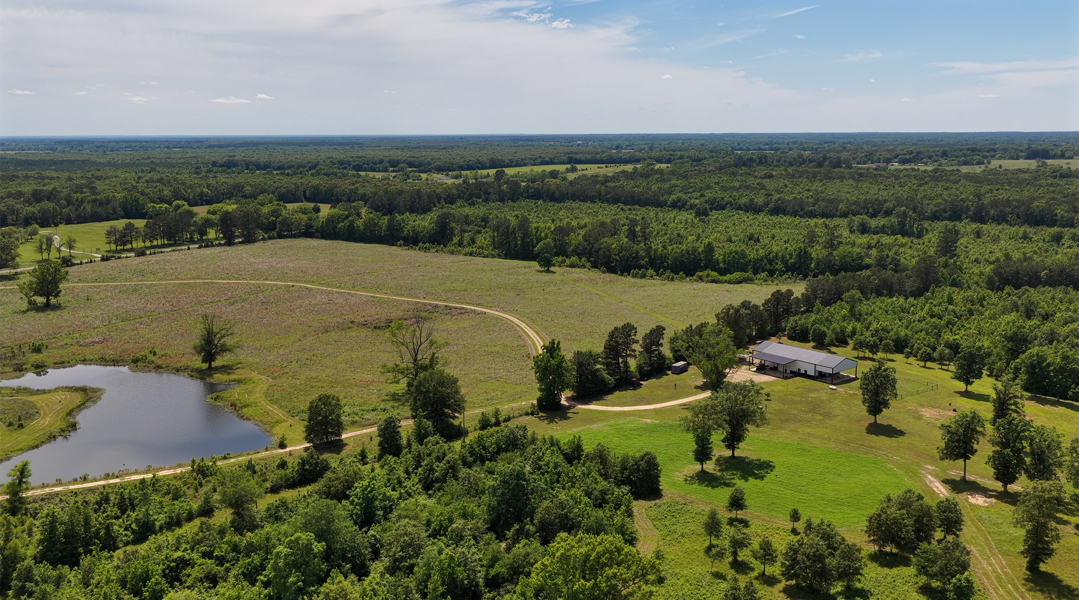
Finding Your Texas Escape: What to Look For in Northeast Texas Recreational Property
Whether you are looking for a weekend hunting camp, a private fishing retreat, or a quiet piece of land to ride ATVs and escape the city rush, Bowie County and the surrounding Northeast Texas region offer some of the finest recreational land in the state.
Investing in recreational property is a bit different than buying a traditional residential home. You aren't just looking at square footage and school districts—you are looking at topography, wildlife habitats, and long-term land management.
To help you find the perfect slice of Texas paradise, here are the critical factors you need to evaluate before signing on the dotted line.
1. Water Features and Water Rights
In Northeast Texas, water is gold. A property with an established water feature immediately boosts both its recreational value and its future resale appeal.
Ponds and Lakes: If you want a fishing property, look for existing, well-managed stock tanks or spring-fed ponds. If the property doesn't have one, consult with a local dirt work expert to see if the topography supports digging a pond.
Creeks and Rivers: Properties bordering or containing creeks (like Sulphur River tributaries) offer incredible natural corridors for wildlife.
Water Rights: Always verify that the surface and subsurface water rights convey with the sale. Never assume they do.
2. Wildlife and Habitat Quality
If hunting or wildlife viewing is your primary goal, you need to look closely at the "ecotone"—the transition area between different vegetation types.
Timber and Cover: Northeast Texas is famous for its thick pine timber and hardwood bottoms. A good mix of mature hardwoods (like white oaks, which provide acorns for deer) and dense bedding cover is ideal.
Food Plots and Openings: Look for natural clearings or old logging roads that can easily be converted into wildlife food plots.
Sign of Game: When we tour properties, we look for active deer tracks, rubs, scrapes, and turkey sign to gauge the local population.
3. Access, Easements, and Boundaries
A beautiful piece of land isn't worth much if you can't get to it, or if a neighbor has an unexpected right-of-way through the middle of it.
Deeded Access: Ensure the property has direct access to a publicly maintained road, or a legally recorded, permanent deeded easement across neighboring land. Avoid "handshake" access agreements at all costs.
Interior Roads: Look at how accessible the property is internally. Are there existing trails for trucks or ATVs, or will you need to clear brush and install culverts yourself?
Fencing: Check the condition of the perimeter boundaries. Good fencing keeps your livestock in (if you run cattle) and clearly defines your borders to neighbors and passersby.
4. Utilities and "Camp" Infrastructure
Even if you plan to rough it in a tent or park an RV, you need a long-term plan for basic infrastructure.
Electricity: Look at where the nearest power lines are located. Extending electricity across multiple acres can cost thousands of dollars per pole.
Water and Septic: Is community water available at the road, or will you need to drill a water well? You will also need to factor in the cost of an aerobic or conventional septic system if you plan to build a cabin.
Restrictions: Check for any local deed restrictions or pipelines/utility easements that dictate exactly where you can and cannot build structures.
5. Tax Status (Ag and Timber Exemptions)
The holding costs of raw land can be surprisingly high if you are paying full market-value property taxes.
Current Status: Always ask if the property currently maintains an Agricultural (Ag) Exemption or a Timber Exemption.
Maintaining the Exemption: These exemptions can reduce your property tax burden by thousands of dollars a year. If you buy a property with an active exemption, you will need to maintain it—either by running a few head of cattle, cutting timber, or converting it to a Wildlife Management tax valuation.
The Local Advantage: Land in the De Kalb, Texas area ranges from rolling hills and dense pine plantations to fertile river bottoms. Because soil types and flooding risks vary wildly from mile to mile, working with a local brokerage that knows Bowie, Red River, and Cass counties inside and out is your best defense against buyer's remorse.
If you are ready to start looking for your Texas land legacy, give us a call at Angela Son Realty. We live here, work here, and know exactly how to find the property that matches your vision.